Embarking on the journey of growing your own garlic is one of the most rewarding experiences a gardener can have. Not only does it yield a versatile culinary staple, but it also offers the unique satisfaction of cultivating a perennial crop that adapts to your garden over time. The initial investment is minimal – you only need to purchase seed garlic once, and from there, you can perpetuate your own supply for years to come. However, the secret to this long-term success, and truly mastering how to plant and harvest garlic, lies in making a pivotal decision right at the start: choosing the correct type of garlic for your specific climate and preferences.
This decision isn't one to rush, as the garlic variety you select will become your garden's loyal companion. While you can always change course later, starting fresh can be a considerable effort. By understanding the core differences between hardneck and softneck garlic, you set the stage for a thriving, productive garlic patch that practically takes care of itself, save for a few key interventions.
The Fundamental Divide: Hardneck vs. Softneck Garlic
Garlic varieties broadly fall into two main categories: hardneck and softneck. Each type boasts distinct characteristics that influence its flavor, growth habit, climate suitability, and storage potential. Understanding these differences is paramount to selecting the best garlic for your garden and ensuring a bountiful harvest.
Hardneck Garlic: The Cold-Weather Champion
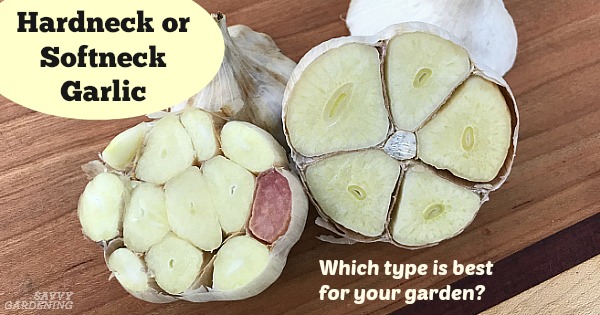
Hardneck garlic is easily identifiable by its rigid central stem, which extends all the way through the bulb. This stem is a tell-tale sign of its robust nature and contributes to its reputation as the more winter-hardy of the two types. Characterized by a single ring of large, often milder-flavored cloves surrounding this hard core, hardneck varieties are a dream come true for gardeners in regions with harsh, freezing winters.
- Climate Suitability: If your garden experiences significant cold spells and deep freezes, hardneck garlic is your best bet. It thrives in colder climates, such as USDA Zones 4 and below, where it can be planted in late fall, lie dormant through the winter, and then vigorously emerge in spring.
- Distinctive Feature: Approximately a month before the bulbs are ready for harvest, hardneck garlic sends up a unique flower stalk known as a "scape." These tender, curly stems are a culinary delicacy, offering a milder, more delicate garlic flavor. Removing scapes is also recommended as it directs the plant's energy towards producing larger bulbs.
- Flavor Profile: Generally, hardneck garlics are celebrated for their nuanced, often milder, and more complex flavor compared to softnecks. They tend to have an earthy, rich taste that's favored by many chefs.
- Storage: The trade-off for their cold hardiness and unique scapes is a slightly shorter storage life than softneck varieties. While still capable of storing for several months under ideal conditions, they typically don't last as long. Popular hardneck varieties include Rocambole, Porcelain, and Purple Stripe, each offering unique nuances in flavor and appearance.
Softneck Garlic: The Long-Keeping Warmer Climate Favorite
Softneck garlic, in contrast, lacks the hard central stem, boasting a pliable stalk that remains soft even after harvest. This flexibility is not just a botanical curiosity; it's a practical advantage, allowing the stems to be beautifully braided for traditional, long-term storage.
- Climate Suitability: Softneck garlic is best suited for gardeners in regions with milder winters and warmer climates. While it can tolerate some cold, it generally prefers zones where prolonged deep freezes are less common.
- Distinctive Feature: Unlike hardneck varieties, softneck garlic does not produce a scape. While this might be a "bummer" for those who enjoy the delicacy, it means the plant's energy is solely focused on bulb development from the start.
- Flavor Profile: Softneck garlic often packs a bolder, more pungent punch, making it a favorite for those who desire a strong garlic flavor in their cooking. It also tends to produce more cloves per bulb, arranged in multiple concentric rings.
- Storage: This is where softneck garlic truly excels. Its superior storage capabilities mean bulbs can last for many months, often up to a year, under proper conditions. The ability to braid them not only aids in storage but also makes for attractive kitchen décor. Common softneck varieties include Artichoke and Silverskin, known for their vigor and excellent keeping qualities.
Beyond the Big Two: What About Elephant Garlic?
While often grouped with garlic, elephant garlic (Allium ampeloprasum var. ampeloprasum) is botanically a leek, not a true garlic. Despite this distinction, it's a fascinating and fun addition to the garden, especially for those seeking giant-sized cloves and a milder flavor.
- Characteristics: As its name suggests, elephant garlic produces enormous cloves, sometimes the size of a golf ball or larger. It has a mild, almost onion-like flavor that is much less intense than true garlic.
- Growing: It's relatively easy to grow and can be quite impressive in the garden, almost resembling a large leek plant. It can produce a flower stalk, similar to a leek or hardneck garlic, though the "scapes" are typically not harvested for culinary use in the same way.
- Use: Ideal for roasting whole, slicing into salads, or for anyone who enjoys a subtle garlic flavor without the overpowering pungency. It's a great choice for adventurous gardeners looking for something unique.
The Crucial First Step: Sourcing Your Seed Garlic
Once you’ve decided on the right type of garlic for your climate, the next critical step is sourcing high-quality "seed garlic." Though garlic is not grown from traditional seeds, the cloves specifically intended for planting are referred to as seed garlic. This choice significantly impacts your garden's health and yield.
We highly recommend purchasing certified disease-free seed garlic from reputable seed suppliers or nurseries. These sources ensure you receive specific varieties known for their vigor and performance. While you might be tempted to use garlic from the grocery store, it's generally not advisable. Grocery store garlic is often treated to inhibit sprouting, making it unsuitable for planting. Furthermore, its origin and specific variety are usually unknown, meaning it may not be adapted to your local conditions and could introduce diseases to your garden. For more detailed advice on this topic, check out our guide on Garlic Planting Secrets: Picking Seed & Avoiding Common Mistakes.
An excellent alternative, if available, is to purchase organic garlic bulbs from a local farmer's market. Locally grown garlic is already acclimated to your regional climate, and if it's organic, it's less likely to have been treated with sprout inhibitors. Always confirm with the farmer that the garlic is suitable for planting.
Cultivating Success: Key Steps for Planting and Harvesting Garlic
Understanding the types of garlic is the first step, but truly mastering how to plant and harvest garlic involves a few more crucial stages. From preparing your soil to knowing when to pull your bulbs, each phase plays a vital role in your success.
Preparing Your Soil and Site
Garlic thrives in well-drained, fertile soil with a pH between 6.0 and 7.0. Choose a sunny location in your garden that receives at least 6-8 hours of direct sunlight daily. Before planting, amend your soil with plenty of organic matter like compost or aged manure to improve fertility and drainage. Garlic is a heavy feeder, so a rich soil environment is key.
Planting for Prosperity
The ideal time to plant garlic is in the late fall, typically 4-6 weeks before the ground freezes solid. This allows the cloves to establish a strong root system before winter dormancy. Separate your chosen garlic bulbs into individual cloves, ensuring each clove has its papery wrapper intact. Plant the cloves pointed-end up, about 2-4 inches deep and 4-6 inches apart, in rows spaced 12-18 inches apart. After planting, apply a thick layer of mulch (straw, leaves) to insulate the soil and protect the young cloves from extreme cold.
Care Through the Seasons
In spring, as temperatures rise, the garlic will emerge. Keep the area around your garlic beds weed-free, as weeds compete for nutrients and moisture. Provide consistent watering, especially during dry spells, particularly in the spring and early summer when the bulbs are actively forming. For hardneck varieties, remember to snap off the scapes when they curl (usually late spring/early summer). This diverts the plant's energy into bulb development, resulting in larger, healthier garlic bulbs.
Knowing When and How to Harvest
The magic moment of harvest usually occurs in mid-to-late summer, roughly 8-9 months after planting. The most reliable indicator is when the lower third to half of the leaves have turned yellow or brown, but the upper leaves are still green. Don't wait until all the leaves are brown, as this can lead to overripe, poorly storing bulbs. Gently loosen the soil around the bulbs with a fork or spade, taking care not to damage them. Carefully pull each plant from the ground, leaving the foliage intact.
Curing and Storing Your Bounty
Once harvested, garlic needs to be cured to prepare it for long-term storage. Hang the whole plants (with leaves and roots still attached) in a warm, dry, well-ventilated area, out of direct sunlight, for 2-4 weeks. Once cured, the outer wrappers will be dry and papery, and the necks will be tight. Trim the roots and clip the tops, leaving about an inch of stem. Store your garlic in a cool, dark, dry place with good air circulation. Softneck varieties can be braided, enhancing both their aesthetic appeal and storage life. For a comprehensive guide on all the steps involved in successful garlic cultivation, be sure to read our article Grow Your Own Garlic: Easy Steps to Plant & Harvest Annually.
Conclusion
Growing your own garlic is an incredibly rewarding endeavor, offering fresh, flavorful bulbs year after year. The journey begins with a thoughtful choice between hardneck and softneck varieties, a decision that hinges on your climate and desired characteristics. By selecting the right type, sourcing quality seed garlic, and following essential planting and harvesting practices, you unlock the full potential of your garden. Whether you crave the complex notes of a hardneck or the bold punch of a softneck, mastering how to plant and harvest garlic ensures a continuous supply of this culinary essential, enhancing countless meals with the rich taste of homegrown goodness.
